

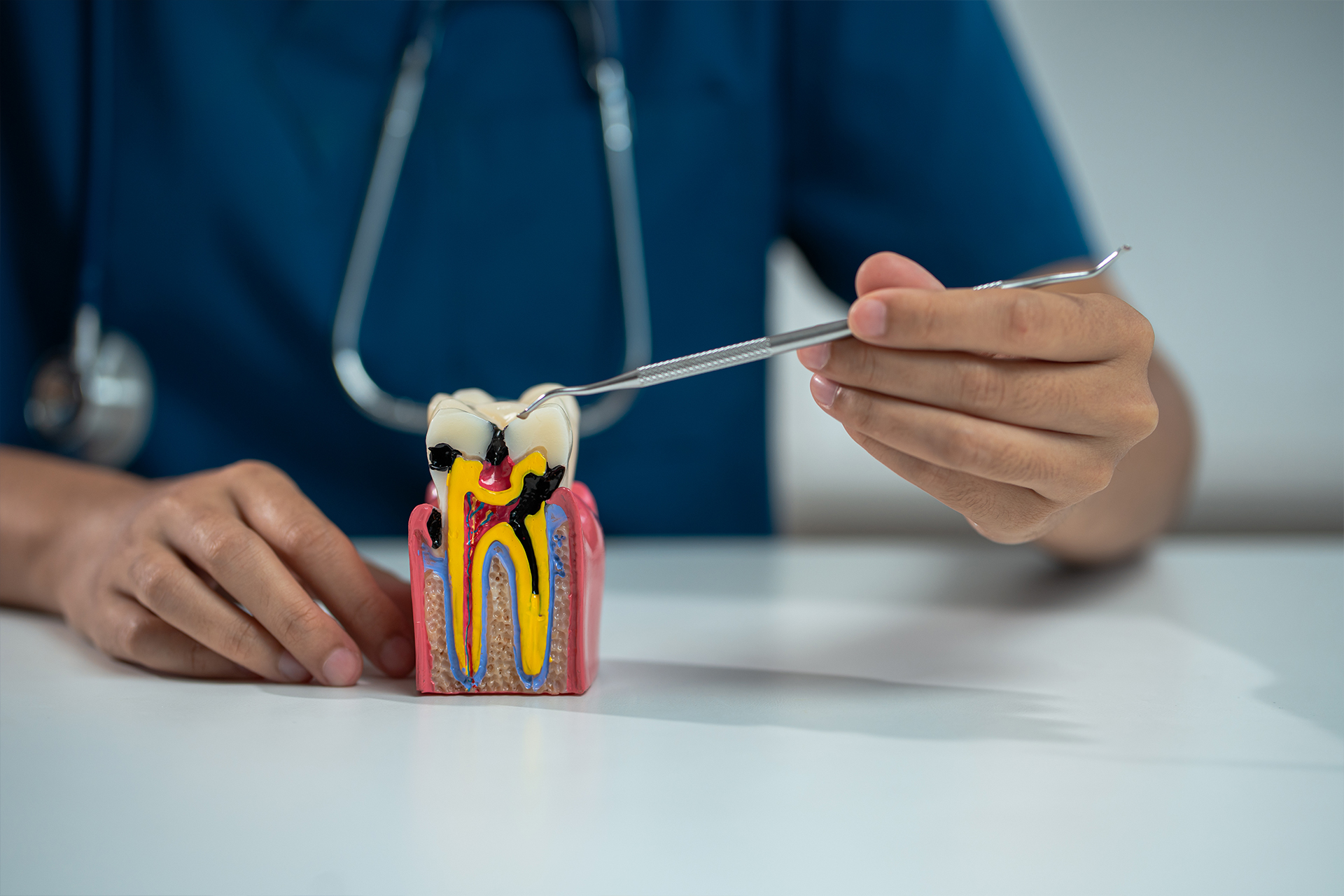
A tooth infection can start with something as common as untreated tooth decay. At first, you may notice sensitivity or mild discomfort. As the problem progresses, the infection can reach the soft tissue inside the tooth and cause more noticeable symptoms.
In some cases, a dentist may recommend a root canal for infected teeth to remove the affected tissue and help save the natural tooth. However, tooth pain does not always mean you need a root canal. This article is intended for general information only and should not replace a professional dental assessment. A dentist will need to examine the tooth to identify the cause of your symptoms and recommend the appropriate treatment.
If you have ongoing tooth pain or sensitivity, seeking affordable root canal treatment in Abu Dhabi can begin with an assessment to determine whether a root canal or another dental treatment is appropriate.
What Is a Tooth Infection?
A tooth infection occurs when bacteria enter the inner part of the tooth and affect the dental pulp. The pulp is the soft tissue at the centre of the tooth. It contains nerves, blood vessels and connective tissue.
When the pulp becomes infected or severely inflamed, it may not heal on its own. Without treatment, the infection can spread to the tissues surrounding the tooth root.
A tooth infection can affect anyone. The important thing is to recognise changes in your teeth and gums and have persistent symptoms assessed by a dentist.
How Does a Tooth Infection Start?
Most tooth infections begin when bacteria find a way through the tooth’s protective outer layers.
Deep tooth decay is one common cause. As decay progresses through the enamel and dentine, it can eventually reach the pulp.
A cracked or fractured tooth can also provide an opening for bacteria. In some cases, the crack may be small and difficult to see without a dental examination.
Dental trauma is another possible cause. A fall, sports injury or other impact can damage the pulp even when there is no obvious crack in the tooth.
Repeated dental procedures on the same tooth may also irritate or damage the pulp in some cases.
Once the pulp is severely inflamed or infected, a dentist will assess whether it can recover or needs further treatment.
7 Signs Your Infected Tooth Needs a Root Canal
Symptoms can provide clues that something is wrong inside a tooth. However, they cannot confirm the need for root canal treatment on their own.
Here are seven signs a dentist should assess.
1. Persistent Tooth Pain
Tooth pain that continues or keeps returning should not be ignored.
The pain may be constant or may become worse when you bite or chew. It can also feel as though it is coming from deep inside the tooth.
Persistent pain can have several causes. A dentist will need to examine the tooth to determine whether the pulp is affected.
2. Lingering Sensitivity to Hot or Cold
Occasional tooth sensitivity is common. What matters is how long the sensation lasts.
If pain or sensitivity continues after you remove a hot drink, cold drink, or food, the pulp inside the tooth may be inflamed or damaged.
Lingering sensitivity does not always mean you need a root canal, but it is worth having the tooth checked.
3. Pain When Biting or Chewing
Does one particular tooth hurt when you bite down?
Pain when chewing or putting pressure on a tooth can occur when inflammation or infection affects the tooth or its root.
Cracks and other dental conditions can cause similar symptoms. Your dentist can identify the cause through an examination and, when required, dental X-rays.
4. Swollen or Tender Gums
An infected tooth can sometimes affect the gum tissue around it.
You may notice swelling, tenderness, or discomfort near a particular tooth. The swelling may remain in one area or become more noticeable over time.
Swollen gums can have several causes, including gum disease, so a dental assessment is important.
5. A Pimple or Bump on the Gum
A small raised bump may sometimes appear on the gum near an infected tooth. It may look similar to a pimple.
This can develop when an infection associated with the tooth drains through the gum. Even if the bump disappears and comes back, the underlying cause should be assessed.
6. Tooth Discolouration
A tooth that becomes darker than the teeth around it can sometimes indicate damage to the pulp.
This may happen following an injury to the tooth. However, tooth discolouration can have many causes and does not automatically mean the tooth is infected.
If one tooth changes colour without an obvious reason, speak to your dentist.
7. Swelling Around the Tooth, Jaw or Face
A tooth infection can sometimes cause swelling beyond the gum surrounding the tooth.
Swelling may affect the jaw or face if an infection progresses. This requires prompt professional assessment.
If swelling is significant or is accompanied by fever, difficulty swallowing or difficulty breathing, seek urgent medical or dental attention.
These signs may indicate that a root canal is needed for infected teeth. Only a dental examination can confirm the cause and determine the appropriate treatment.
What Is a Root Canal?
A root canal is a dental procedure used to treat a tooth when its pulp is severely inflamed, infected or no longer alive.
The aim is to remove the affected pulp from inside the tooth. The space is then cleaned, disinfected, filled and sealed.
Unlike a tooth extraction, root canal treatment is designed to preserve the natural tooth when it can be successfully restored.
Whether a tooth can be saved depends on factors such as the amount of healthy tooth structure remaining, the extent of the damage and the condition of the tissues surrounding the tooth.
What Is the Procedure for a Root Canal?
The exact treatment process can vary depending on the affected tooth and the complexity of the case. In general, a root canal involves the following steps.
Dental Examination
Your dentist will first examine the tooth and discuss your symptoms.
Dental X-rays may be taken to assess the tooth, its roots and the surrounding bone. Other tests may also be used to understand the condition of the pulp.
Local Anaesthesia
Local anaesthetic is usually used to numb the tooth and surrounding area before treatment begins.
This helps keep you comfortable during the procedure.
Removing the Affected Pulp
The dentist creates a small opening in the tooth to access the pulp chamber and root canals.
The inflamed, infected or dead pulp tissue is then carefully removed.
Cleaning the Root Canals
Once the affected tissue has been removed, the canals inside the roots are cleaned and shaped.
They are also disinfected to reduce bacteria inside the tooth.
Filling and Sealing the Tooth
The cleaned root canals are filled with a dental material and sealed.
A temporary or permanent filling may then be used to close the opening in the tooth.
Restoring the Tooth
Some teeth need further restoration after root canal treatment.
Depending on how much healthy tooth structure remains and which tooth has been treated, your dentist may recommend a permanent filling, crown or another suitable restoration.
When to See a Dentist
Do not wait for tooth pain to become severe before arranging a dental appointment.
See a dentist if you experience persistent toothache, lingering sensitivity, pain when chewing, unexplained tooth discolouration, a recurring bump on your gum or swelling around a tooth.
It is also worth getting checked if symptoms improve unexpectedly. Pain can sometimes decrease even though the underlying dental problem remains.
Seek prompt medical or dental attention if you develop significant or spreading facial swelling, fever, or difficulty swallowing or breathing.
A proper dental assessment can determine whether you need root canal treatment or whether another treatment is more suitable.
Taking Action on an Infected Tooth
A tooth infection is easier to address when it is properly diagnosed. Symptoms such as pain, sensitivity or swelling can indicate a problem, but they cannot tell you exactly what is happening inside the tooth.
A dentist can examine the affected area and determine whether the pulp is infected or damaged. If a root canal is recommended, the treatment aims to remove the affected tissue and preserve the natural tooth where possible.
The key is not to ignore persistent symptoms. Early assessment gives your dentist the opportunity to identify the cause and discuss the appropriate treatment options with you.
FAQs
Does every infected tooth need a root canal?
No. Treatment depends on the location and extent of the infection, the condition of the dental pulp and whether the tooth can be restored. A dentist will assess these factors before recommending treatment.
Can an infected tooth heal without a root canal?
If the pulp has become irreversibly inflamed, infected or has died, professional dental treatment is generally required. Depending on the condition of the tooth, treatment may involve a root canal or extraction. Not every toothache involves this level of pulp damage.
How does a dentist know if I need a root canal?
Your dentist will consider your symptoms and examine the tooth and surrounding gums. They may also perform tests and take dental X-rays. These findings help determine the condition of the pulp and tissues around the root.
Can you have a tooth infection without pain?
Yes. Not every infected tooth causes noticeable pain. In some cases, changes may instead be detected during a dental examination or on an X-ray. This is one reason regular dental check-ups are important.
Is root canal treatment painful?
Local anaesthetic is normally used to numb the area during treatment. Some people may experience tenderness or discomfort after the procedure. Your dentist can explain what to expect based on your individual treatment.
What happens if an infected tooth is left untreated?
An untreated infection can progress and affect the tissues surrounding the tooth. An abscess may also develop. In some cases, the infection can spread beyond the immediate area. A dentist should assess persistent symptoms or swelling rather than leaving them untreated.
Blog written by Dr. Aarathi Pinnamaneni, BDS MSc (Aesthetic Dentistry) UK.