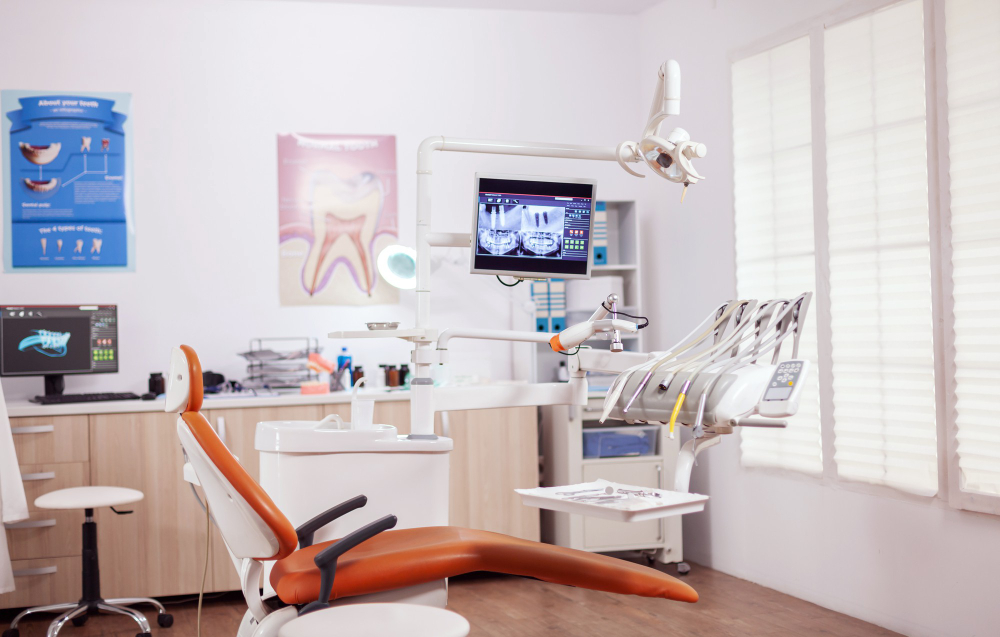
Dental problems rarely appear overnight. They usually start with small signs that are easy to ignore. A little pain. Mild swelling. Slight bleeding. Many people wait, hoping things will improve on their own. Often, they don’t. When these signs are ignored, the problem can become serious. This is when dental specialists are needed to step in and prevent long-term damage.
Your oral health affects your overall well-being. Listening to your body and acting fast can protect your smile and your health.
This blog is for general information only. However, if you need expert care, consulting a top dentist in Abu Dhabi can help address the issue before it becomes serious.
Below are some of the common warning signs you should never delay.
Severe Dental Pain That Does Not Go Away
Persistent Toothache
A mild toothache can happen due to trapped food or sensitivity. But pain that lasts more than a day is different. Sharp or throbbing pain may indicate nerve damage or infection. If the pain spreads to the jaw, ear, or head, it needs immediate attention from dental specialists.
Pain That Worsens at Night
Pain that increases at night often signals deeper issues. This may include an inflamed nerve or infection inside the tooth. Waiting can make the damage worse and harder to treat.
Swelling in Gums, Face, or Jaw
Swollen Gums
Gums should never feel puffy or tender for long periods. Swelling often points to gum disease or infection. Early care from dental specialists can stop it from spreading.
Facial or Jaw Swelling
Swelling in the face or jaw is more serious. It often means a dental abscess. An abscess is an infection filled with pus and bacteria. If left untreated, in some cases, it can spread to other parts of the body.
Bleeding That Does Not Stop
Ongoing Gum Bleeding
Some light bleeding while brushing can happen. Heavy bleeding or bleeding that lasts for hours is not normal. It may indicate advanced gum disease or infection.
Bleeding Without a Clear Cause
If your gums bleed without brushing or flossing, it is a warning sign. Dental specialists can identify the cause and prevent further damage.
Broken, Cracked, or Knocked-Out Teeth
Cracked or Broken Teeth
Even a small crack can expose the inner layers of the tooth. This makes it easy for bacteria to enter. Ignoring cracks can lead to infection and pain.
Knocked-Out Teeth
If a tooth gets knocked out, time matters. Seeing a dental specialist quickly can increase the chance of saving the tooth. Dental injuries should always be treated as emergencies.
Pus or a Constant Bad Taste in the Mouth
Signs of Infection
Pus around the gums or tooth is a clear sign of infection. A constant bad taste or smell that does not go away is another warning sign.
Dental Abscess Risk
Infections usually need proper care to heal well. If left untreated, they can sometimes spread. Dental specialists are trained to treat infections safely and effectively.
Fever Along With Dental Pain
Infection Warning Sign
Fever can be a sign that the body is responding to infection. When it comes with tooth or gum pain, it often means the infection has spread.
Urgent Care Needed
This is not something to wait on. Dental specialists can stop the infection before it affects other parts of the body.
Difficulty Chewing or Opening the Mouth
Pain While Eating
Chewing should not hurt. Pain while eating may signal infection, decay, or jaw issues.
Jaw Stiffness or Locking
If opening your mouth feels difficult or painful, it may be caused by inflammation or infection. Early care from a specialist can prevent long-term jaw problems.
Sudden Sensitivity to Hot or Cold
Sharp or Lingering Sensitivity
Mild sensitivity is common. Sudden sharp pain that lingers is not. It often means exposed nerves or deep decay.
Preventing Tooth Damage
Treating sensitivity early can save the tooth and avoid more complex procedures later.
Loose Teeth in Adults
Tooth Movement Is Not Normal
Adult teeth should feel stable. Loose teeth often mean advanced gum disease.
Bone and Tissue Damage
Gum disease damages the structures that hold teeth in place. A specialist can slow or stop this damage if treated early.
Sores or Lumps That Do Not Heal
Persistent Mouth Sores
Most mouth sores heal within two weeks. If they do not, they should be checked.
Unusual Changes in the Mouth
Lumps, thick patches, or painful spots should never be ignored. Early dental evaluation by dentists is important.
Persistent Bad Breath Despite Good Hygiene
Not Just a Hygiene Issue
If brushing, flossing, and mouthwash do not help, the cause may be deeper.
Hidden Dental Problems
Decay, infection, or gum disease often cause chronic bad breath. Dental specialists can treat the root problem.
Pain After a Recent Dental Procedure
Normal vs. Abnormal Pain
Mild soreness after dental work is normal. Severe pain that worsens after a few days is not.
Possible Complications
This may indicate infection or healing issues. Follow-up care from specialists can prevent further problems.
Why Acting Early Matters
Dental issues rarely resolve on their own. Delaying treatment often leads to more pain, higher costs, and serious health risks. Early care is usually simpler and less invasive. If something feels wrong, it is always better to get it checked.