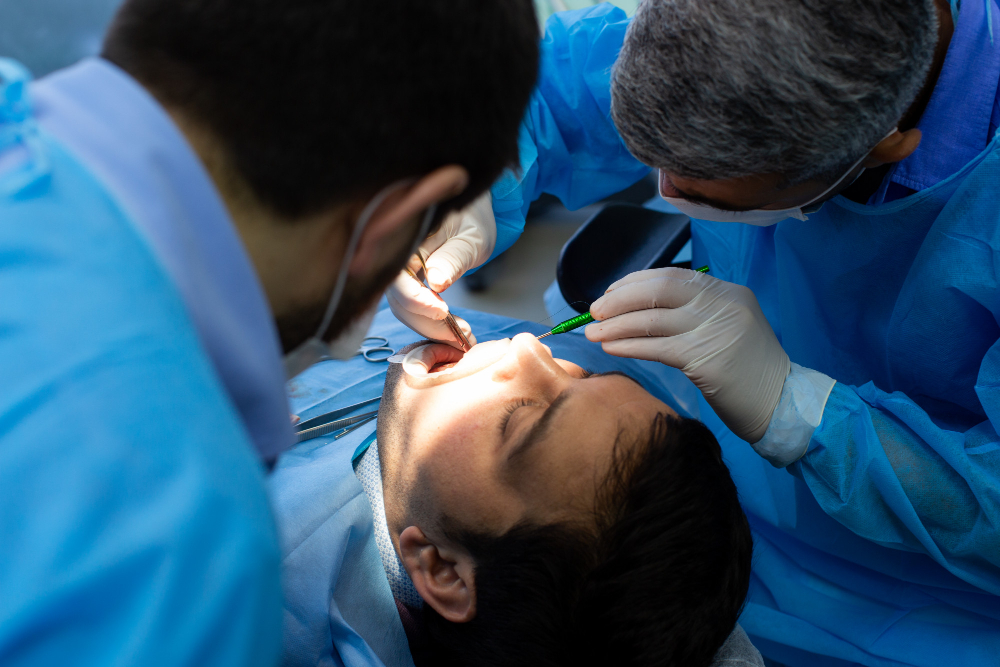
Imagine dealing with a nagging toothache that just won’t go away. You’ve tried painkillers. You’ve avoided hot and cold foods. But the discomfort keeps you up at night. For many people, this is where the journey to oral surgery begins.
Dental problems that seem minor can grow into issues that need professional treatment. That’s why having access to the right oral surgery services in Abu Dhabi can make all the difference.
What Are Oral Surgeries?
Oral surgery is a broad term. It covers procedures that treat conditions affecting your teeth, gums, jaws, or mouth. These aren’t limited to emergency treatments. They can also include planned surgeries that improve function, appearance, or long-term health. A skilled oral surgeon performs these procedures with precision, ensuring patients get relief while protecting their dental structure.
At Beautica Dental Center, patients receive comprehensive care from diagnosis to recovery, making oral surgeries less intimidating and more effective.
Unlike routine dental cleanings or fillings, oral surgeries are more involved. They may require anesthesia, special equipment, and a recovery period. While the idea of surgery can sound overwhelming, knowing what to expect makes the process much easier.
Reasons for Oral Surgeries
People may need oral surgery for many reasons. Some of the most common reasons include:
- Tooth decay or infection: When damage is too severe for fillings or crowns.
- Impacted teeth: Teeth that don’t erupt properly, like wisdom teeth.
- Jaw problems: Misalignment, injuries, or conditions that affect chewing and speaking.
- Bone loss: Often caused by gum disease or missing teeth.
- Cosmetic reasons: Procedures that improve appearance, like implants to restore missing teeth.
In short, oral surgery isn’t always about emergencies. Sometimes, it’s the best way to prevent bigger problems later on.
Types of Oral Surgeries
Not all oral surgeries are the same. Each one addresses specific concerns. Here are some of the most common types:
1. Tooth Extractions
This is one of the most familiar oral surgeries. Extractions are done when a tooth is badly damaged, infected, or overcrowded. Wisdom teeth removal is a classic example. A skilled oral surgeon ensures that the procedure is as quick and painless as possible, often using local anesthesia to keep patients comfortable.
2. Dental Implants
Implants are a long-term solution for missing teeth. A small titanium post is placed into the jawbone, acting as a root for a replacement tooth. Over time, it fuses with the bone, creating a stable foundation. The result looks and feels like a natural tooth, restoring both function and confidence.
3. Root Canal Surgery (Apicoectomy)
When a root canal doesn’t fully remove an infection, a minor surgical procedure may be needed. The infected tissue is removed from the tip of the tooth root to save the tooth. This is a specialized treatment that helps avoid extraction.
4. Bone Grafting
Sometimes, the jawbone isn’t strong enough to support an implant. Bone grafting adds volume and density to the area, making it ready for future dental work. This type of surgery is common for patients who have experienced bone loss due to gum disease or missing teeth.
5. Corrective Jaw Surgery
Jaw surgery addresses functional problems such as difficulty chewing, speaking, or breathing. It can also improve facial symmetry. Though this sounds complex, advances in dental care make it a reliable and effective procedure.
6. Gum Surgery
When gum disease reaches advanced stages, surgery may be required to remove bacteria, reshape the gums, or regenerate lost tissue. This helps restore oral health and protect teeth from further damage.
How to Take Care After Oral Surgeries
Recovery is just as important as the surgery itself. Following the right aftercare steps ensures proper healing and reduces the risk of complications. Here are key guidelines:
1. Follow Post-Surgery Instructions
Every patient receives specific instructions tailored to their procedure. Following these carefully helps prevent infections and speeds up recovery.
2. Manage Pain and Swelling
Mild discomfort is normal after oral surgery. Ice packs, prescribed medication, and rest usually help ease these symptoms. Avoid overexertion during the first few days.
3. Stick to a Soft Diet
Chewing can be challenging after surgery. Soft foods like soups, mashed potatoes, and yogurt are ideal. Avoid crunchy, spicy, or hot foods that can irritate the surgical site.
4. Maintain Oral Hygiene Gently
It’s important to keep your mouth clean, but brushing too hard near the surgical site can delay healing. Rinsing with salt water after meals can help keep the area fresh without causing irritation.
5. Avoid Smoking and Alcohol
Both smoking and alcohol can interfere with healing. Avoid them for at least a week after surgery, or longer if advised by your dentist.
6. Attend Follow-Up Appointments
Your oral surgeon will want to monitor your healing. Skipping follow-up visits can lead to unnoticed complications. These appointments ensure everything is on track.
A Healthier Smile Starts Here
Oral surgeries are more common than many people think. From simple tooth extractions to advanced implants, they play an important role in restoring oral health and confidence. While the idea of surgery may sound intimidating, understanding the process helps reduce fear.
At Beautica Dental Center, patients benefit from the latest technology and experienced professionals who put comfort and safety first. The key is to trust your care to a skilled oral surgeon who can guide you from diagnosis to recovery. With the right knowledge and aftercare, oral surgery can be a positive step toward a healthier, pain-free smile.
This blog is for educational purposes. To know what is best for your teeth, you consult our oral surgeons.