Oral health problems can start small. A little pain, some swelling, or mild discomfort while eating.
But sometimes, these issues go deeper. They may need more than basic dental care. In such cases, advanced oral surgery may be required to treat the problem safely and effectively.
If you are unsure when a condition becomes serious, this guide will help you understand the signs. It will also explain what advanced procedures involve and when to seek care. However, a proper evaluation by an expert is always needed before any procedure.
What Is Advanced Oral Surgery?
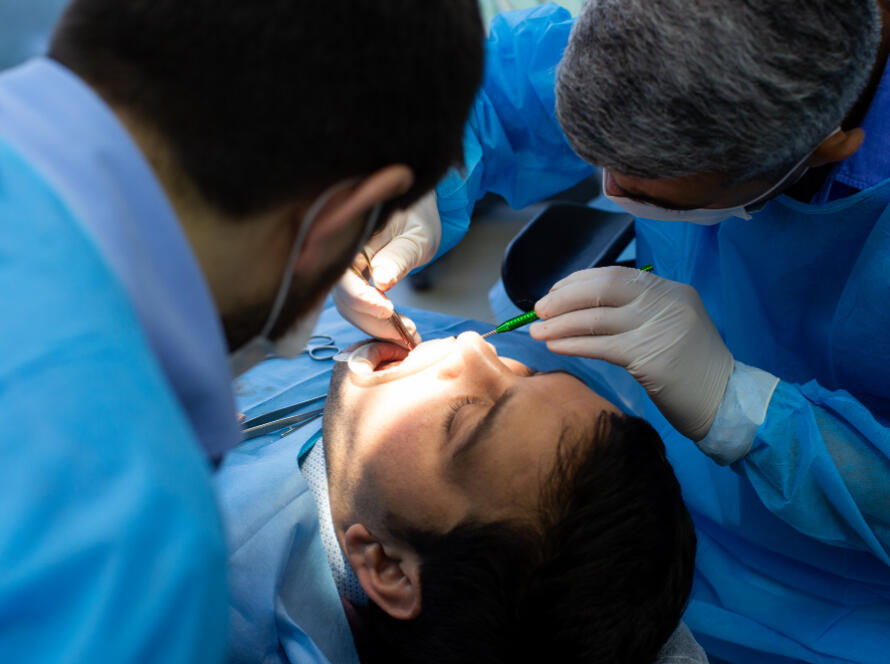
Advanced oral surgery refers to complex procedures that go beyond routine dental treatments like fillings or simple extractions.
These procedures are performed by oral surgeons with specialised training in complex dental conditions. They focus on conditions affecting the teeth, gums, jaw, and surrounding structures.
Common examples include:
- Impacted tooth removal
- Jaw surgery
- Bone grafting
- Treatment of oral infections or cysts
- Dental implant placement
Why Would Someone Need Advanced Oral Surgery?
Not all dental issues can be treated with basic care. Some conditions develop deeper in the jaw or tissues.
A dentist may suggest advanced oral surgery when:
- The problem is complex
- There is a risk of infection spreading
- Tooth structure is severely damaged
- Jaw alignment is affected
The goal is to treat the issue safely while protecting long-term oral health.
Key Signs You May Need Advanced Oral Surgery
1. Persistent or Severe Tooth Pain
Occasional tooth pain can happen. But pain that does not go away is a concern.
If the pain:
- Lasts for several days
- Worsens over time
- Spreads to the jaw or ear
It may indicate a deeper problem. This could include infection, nerve damage, or an impacted tooth.
A dentist may assess whether advanced oral surgery is needed to treat the root cause.
2. Swelling in the Face or Jaw
Swelling is often a sign of infection or inflammation.
You may notice:
- Puffiness in the cheek
- Tightness in the jaw
- Pain when touching the area
In some cases, swelling can spread quickly. This may require urgent care, including emergency oral surgery, to prevent complications.
Do not ignore swelling, especially if it is increasing.
3. Difficulty Opening Your Mouth
If you find it hard to open your mouth fully, it may be a sign of a deeper issue.
This condition is sometimes linked to:
- Jaw joint problems
- Infections
- Impacted wisdom teeth
Limited movement can affect eating and speaking. A specialist may recommend imaging tests to understand the cause.
4. Impacted or Painful Wisdom Teeth
Wisdom teeth often do not grow properly. They may stay trapped under the gum or grow at an angle.
Common signs include:
- Pain at the back of the mouth
- Swelling around the gums
- Bad taste or odor
In many cases, removal requires advanced oral surgery, especially if the tooth is impacted.
5. Loose Teeth Without Injury
Adult teeth should not feel loose.
If you notice movement without trauma, it may be due to:
- Bone loss
- Gum disease
- Infection
A detailed examination is needed. In some cases, surgical treatment may help stabilize the area or prepare it for further care.
6. Chronic Gum Infection
Gum problems that do not improve with routine treatment may need deeper care.
Signs include:
- Bleeding gums
- Pus around teeth
- Persistent bad breath
These symptoms may point to advanced gum disease. Surgery may be required to clean infected areas and support healing.
7. Jaw Pain or Misalignment
Jaw issues can affect daily life.
You may experience:
- Clicking or popping sounds
- Pain while chewing
- Uneven bite
In some cases, corrective procedures are needed. These fall under advanced oral surgery and aim to restore function and comfort.
8. Cysts or Growths in the Mouth
Unusual lumps or growths should always be checked.
They may appear as:
- Small bumps on the gums
- Swelling inside the mouth
- Areas that feel different from normal tissue
Not all growths are serious. But they require proper evaluation. Surgical removal or biopsy may be recommended.
9. Facial Trauma or Injury
Accidents can damage the jaw or teeth.
Signs that need attention include:
- Broken jaw
- Displaced teeth
- Severe bleeding
In such cases, immediate medical care is required. Treatment may involve advanced oral surgery to repair the damage.
How is the Condition Diagnosed?
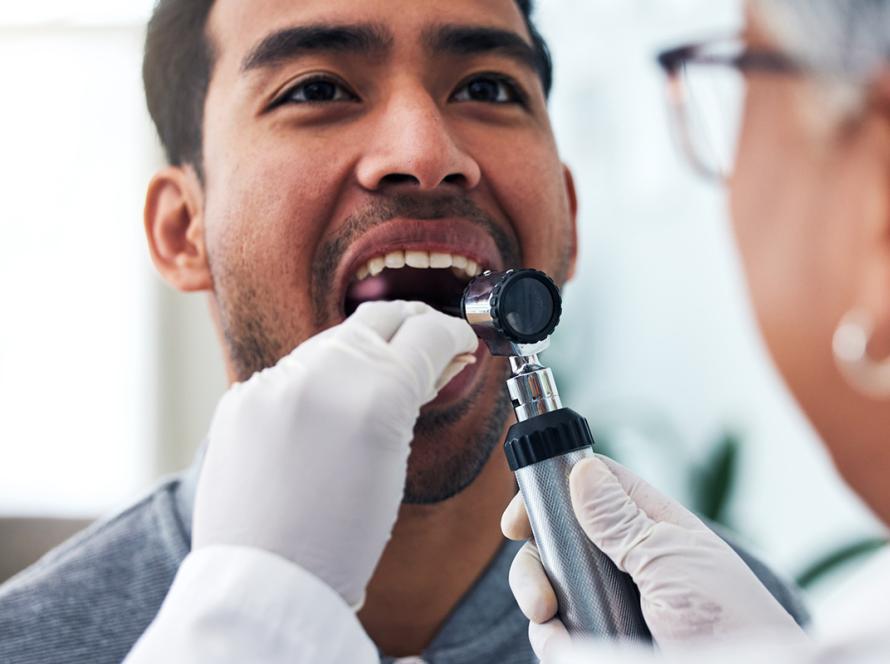
A dentist or oral surgeon will begin with a detailed examination.
This may include:
- Physical check of teeth and gums
- X-rays or 3D scans
- Medical history review
These steps help identify the exact problem. They also guide the treatment plan.
A proper diagnosis is important before any surgical decision.
What Treatment Options May Include
Treatment depends on the condition and its severity.
Options may include:
- Surgical tooth removal
- Infection drainage
- Bone grafting
- Jaw correction procedures
- Dental implant placement
The doctor may explain the risks, benefits, and expected outcomes before proceeding.
It is important to follow all pre- and post-procedure instructions carefully.
When to See a Doctor
You should seek professional care if you notice:
- Ongoing pain
- Swelling that does not improve
- Difficulty eating or speaking
- Signs of infection like fever or pus
Early care can prevent complications.
If symptoms are severe or sudden, seek immediate medical attention.
FAQs
1. Is advanced oral surgery painful?
Procedures are usually done under anesthesia. This helps reduce discomfort during the procedure. Some soreness after surgery is normal and manageable.
2. How long does recovery take?
Recovery time varies. It depends on the procedure and the individual. Some people recover in a few days, while others may take longer.
3. Are there risks involved?
All surgeries carry some risks. These may include swelling, infection, or delayed healing. A qualified professional will explain these clearly.
4. Can all dentists perform advanced oral surgery?
No. Complex procedures are usually handled by oral surgeons with specialized training.
5. Do I always need surgery for dental issues?
Not always. Many problems can be treated without surgery. A proper evaluation will determine the best approach.
6. How do I prepare for oral surgery?
A doctor may give specific instructions. These may include fasting, medication guidelines, and post-care planning.
Final Thoughts
Oral health should not be ignored. Small symptoms can sometimes point to deeper problems.
Knowing the signs helps you act early. If something feels off, it is always better to get it checked.
Advanced oral surgery is not always needed. But when it is, timely care can protect your health and improve your quality of life.
A proper evaluation by a qualified professional is the safest way forward.